
Lecture & Discussion on Somali Lifestyle and Mental Health
Bridging Resilience and Healing: A Powerful Conversation on Somali Lifestyle and Mental Health
Brain Story
Author
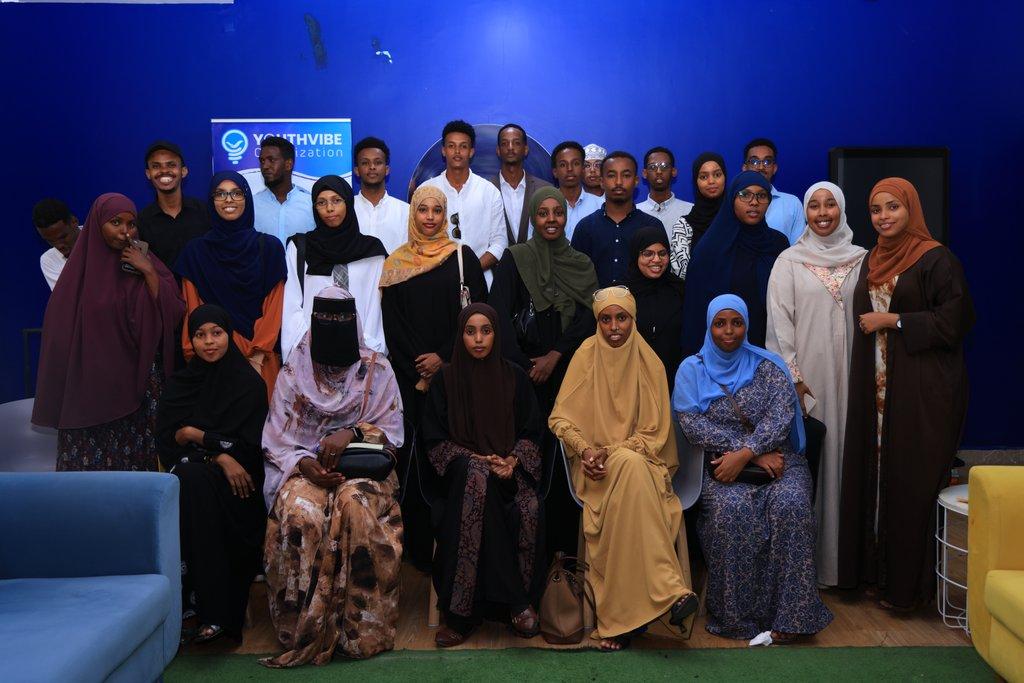
Recently, youth, students, academics, and community members gathered for an impactful lecture and panel discussion organized by YouthVibe on the theme “Somali Lifestyle and Mental Health.” The event created an important space for honest dialogue around emotional well-being, cultural identity, resilience, and the evolving realities facing Somali youth today.
The session explored how Somali cultural experiences — particularly the transition from rural and pastoral lifestyles to rapidly changing urban environments — shape the way individuals understand, express, and respond to mental health challenges.
At the heart of the discussion was a powerful reflection on the Somali experience itself: a society shaped by survival, endurance, faith, displacement, community, and resilience. While these qualities have allowed Somali communities to withstand generations of hardship, the event emphasized that survival alone is not the same as healing.
The lecture highlighted how many Somalis grow up with messages such as “Adkeyso” — “Be strong.” While this mindset has historically helped communities persevere through conflict, poverty, instability, and migration, it has also contributed to emotional silence and the normalization of unaddressed trauma.
Participants engaged in meaningful conversations around:
- The psychological impact of rural and urban lifestyles
- Emotional restraint and stigma surrounding mental health
- Intergenerational trauma within Somali families
- Pressures facing Somali youth in modern urban environments
- Masculinity, vulnerability, and emotional expression
- The role of faith, community, and dialogue in healing
One of the strongest messages shared during the event was that resilience should not require silence. The discussion challenged traditional ideas that equate emotional vulnerability with weakness and instead encouraged young people to redefine strength through self-awareness, emotional intelligence, and seeking support when necessary.
The session also stressed the urgent need for:
- Safe spaces for youth dialogue
- Trauma-informed leadership
- Community-based mental health awareness
- Mentorship and emotional education
- Reduced stigma surrounding mental health conversations
The panel discussion that followed allowed participants to openly share reflections, personal experiences, and questions about the realities Somali youth face today. Many attendees expressed that the event provided one of the few spaces where mental health could be discussed openly, honestly, and without judgment.
A particularly powerful theme throughout the session was the idea that many young Somalis are carrying both the pressures of modern life and the unresolved traumas of previous generations. As highlighted during the lecture:
“A generation that only survives will remain exhausted. A generation that heals can rebuild nations.”
The event concluded with a hopeful message centered on the potential of Somali youth to transform their communities through healing, awareness, creativity, and collective action. Participants were reminded that emotionally healthy youth are essential not only for personal well-being, but also for leadership, education, peacebuilding, and the future development of Somalia itself.
Through conversations like these, organizations and youth-led initiatives continue to challenge stigma and create pathways toward a healthier, more open, and more compassionate society.