
.jpeg)
The Impact of Social Media on the Mental Health of Young People and Adolescents in Somalia
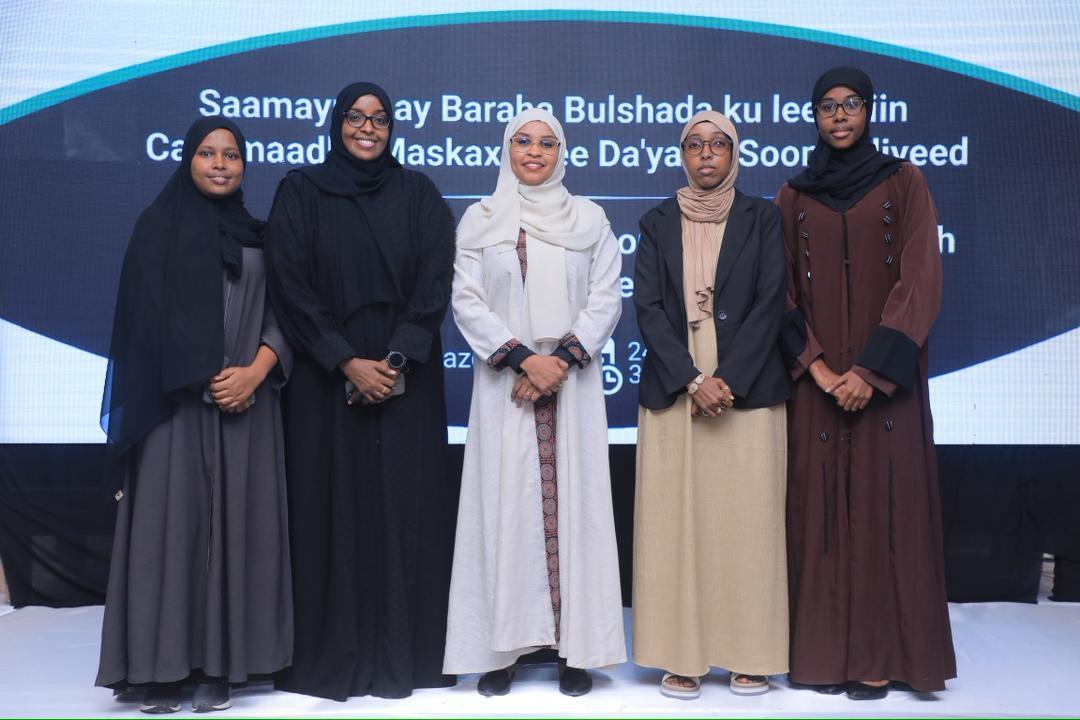
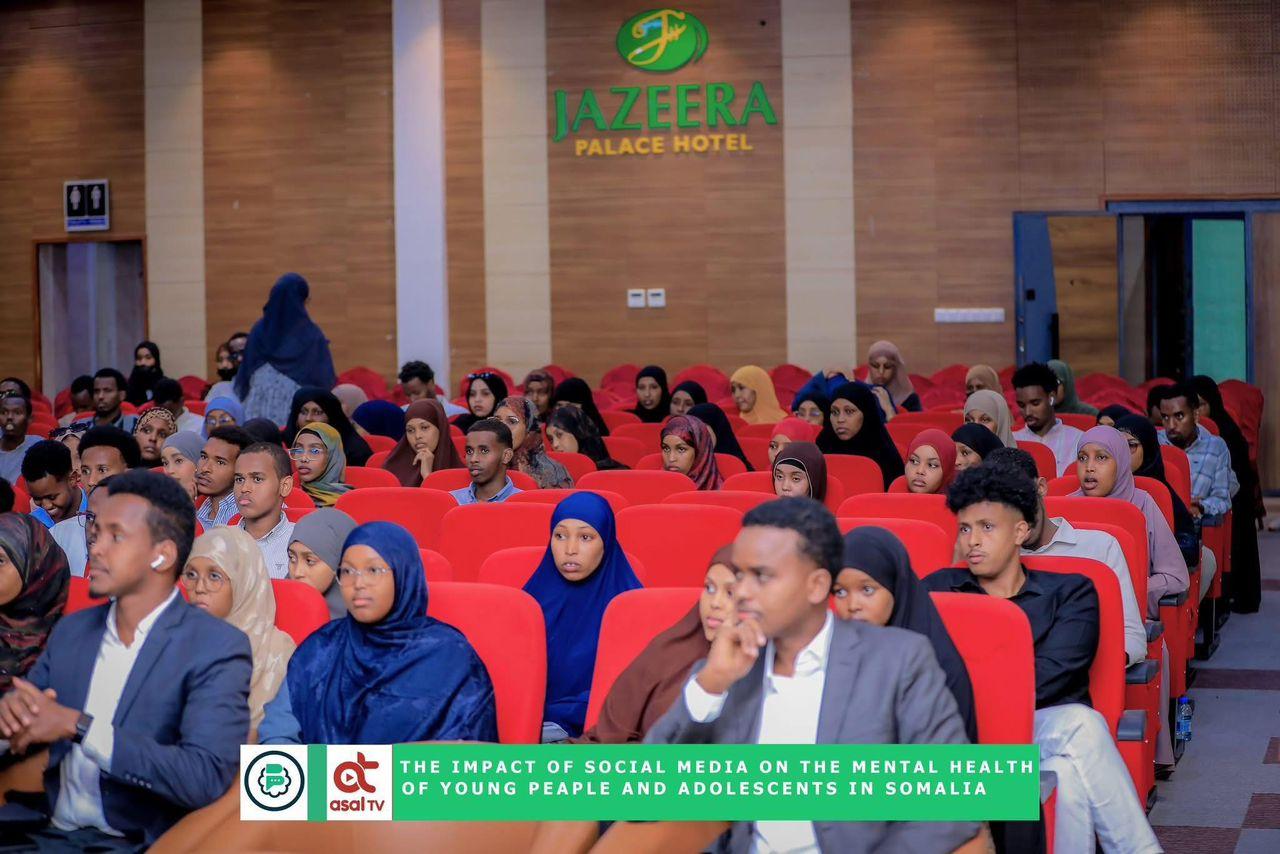
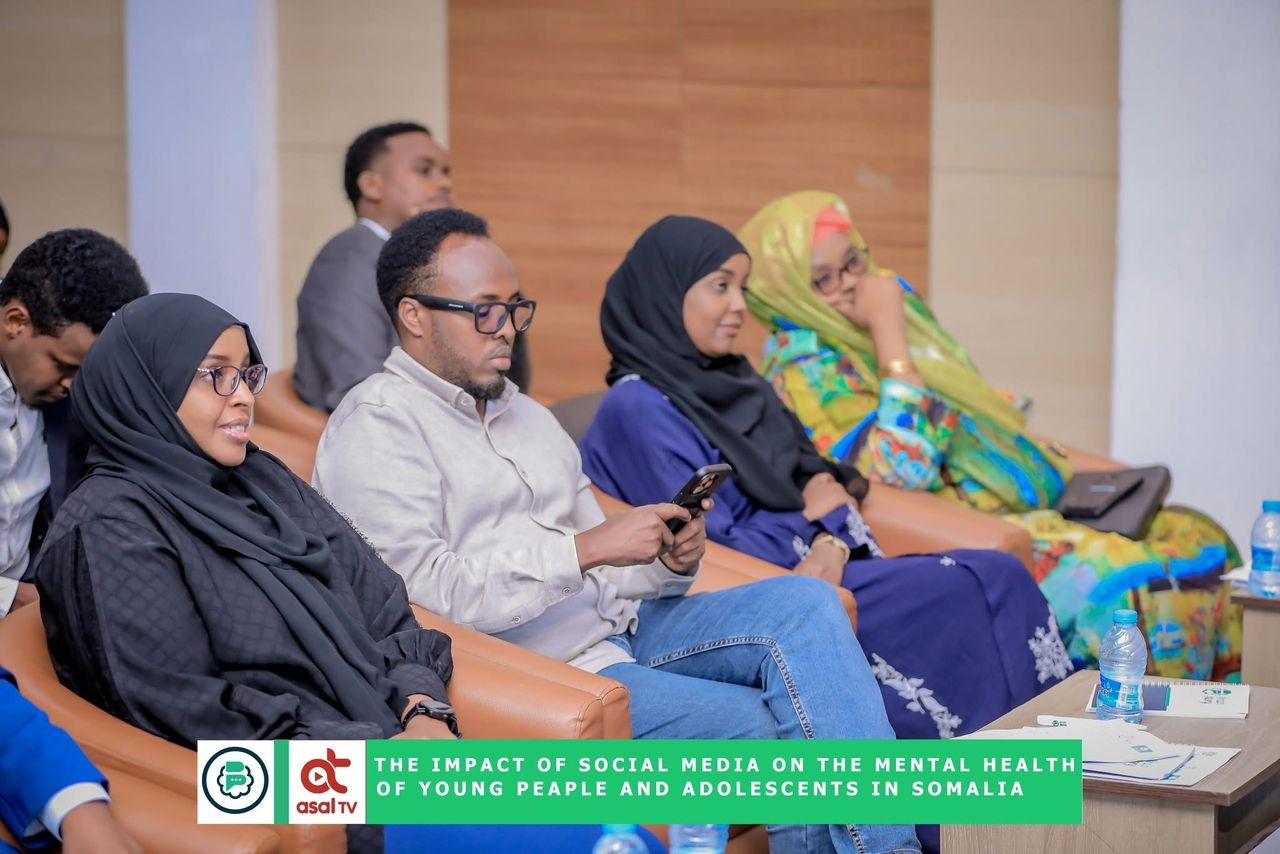
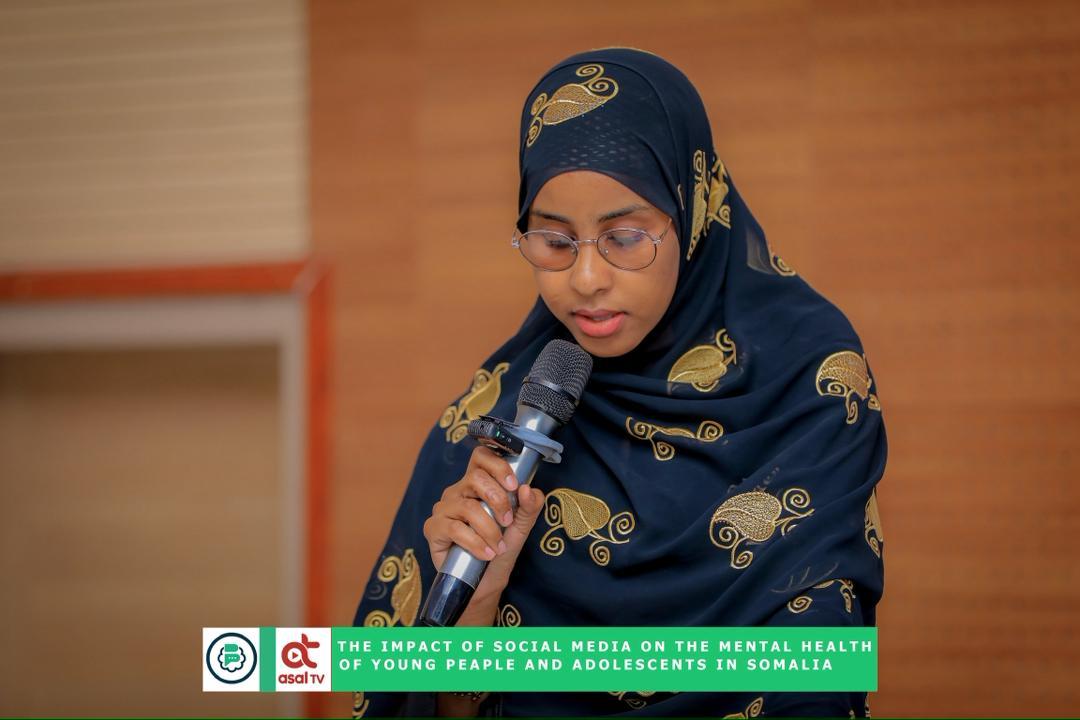
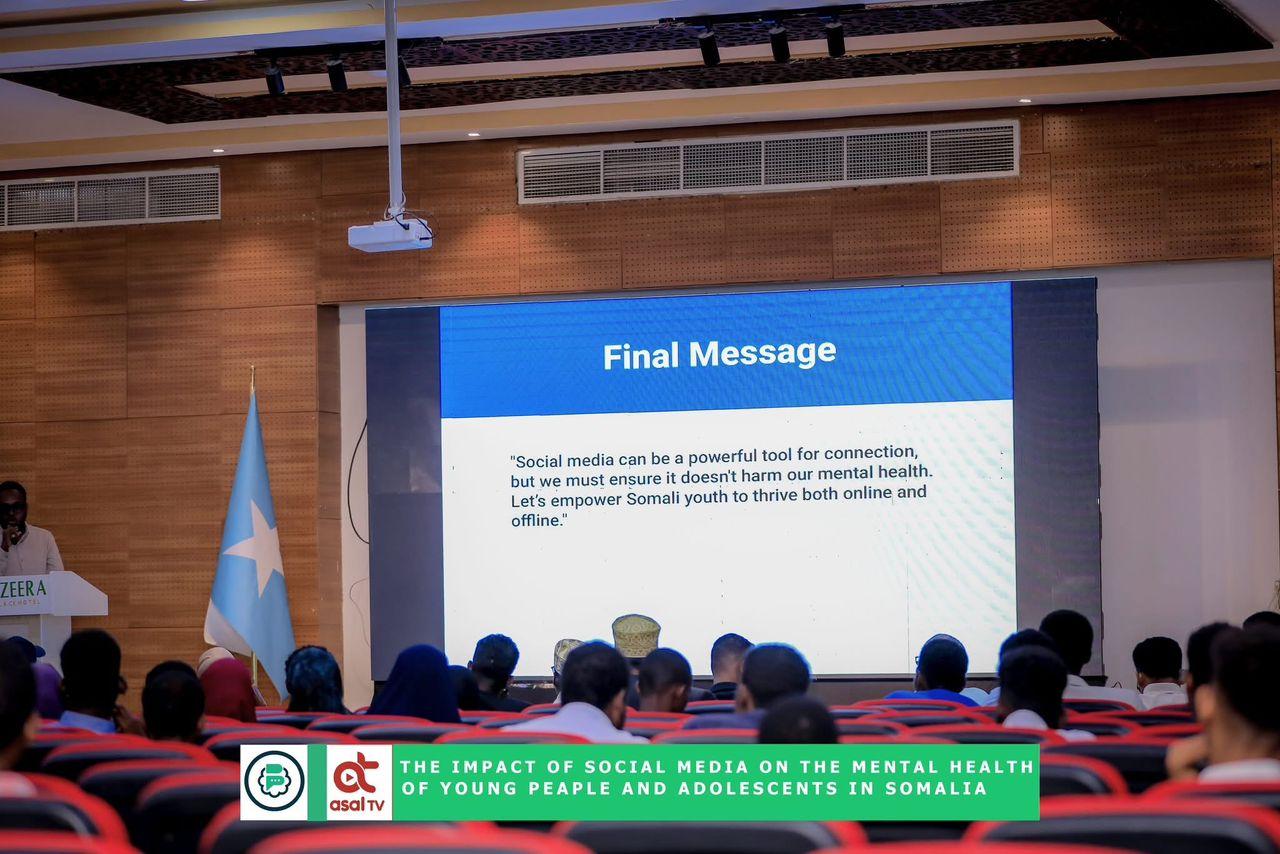
This report presents a comprehensive overview of the national workshop held under the theme “The Impact of Social Media on the Mental Health of Young People and Adolescents in Somalia.”
Brain Story
Author
Executive Summary
This report presents a comprehensive overview of the national workshop held under the theme “The Impact of Social Media on the
Mental Health of Young People and Adolescents in Somalia.” Convened in Mogadishu, the event brought together over 180 articipants, including mental health professionals, digital rights advocates, educators, youth leaders, religious scholars, government
officials, and media experts. In a nation grappling with prolonged conflict and limited psychosocial infrastructure, this initiative underscored the urgent need to address the digital determinants of mental health.
The workshop shed light on both the potential and the perils of digital engagement for Somali youth.
While social media offers platforms for expression, connection, and access to information, it also serves as a source of cyberbullying,
anxiety, misinformation, and social comparison — particularly in Somalia’s fragile context. The dialogue that emerged emphasized a
human-rights-based approach to digital well-being, youth resilience, and policy advocacy.
BACKGROUND AND CONTEXT
Over the last decade, Somalia has witnessed a fast-paced digital revolution.
Despite ongoing conflict, economic hardship, and weak institutions, mobile internet penetration has surged, especially among urban youth. Social media platforms such as Facebook, TikTok, Instagram, Snapchat, WhatsApp etc.…, are now central to communication, entertainment, and identity formation among Somali adolescents. However, this digital integration has occurred in the absence of
robust regulatory frameworks, mental health support systems, or digital literacy education. This confluence creates a volatile environment where young people are exposed to harmful content, cyber exploitation, unrealistic beauty standards, and emotional isolation. In Somalia — a nation still emerging from decades of civil unrest, displacement, and trauma — the psychological toll of unregulated social media use is a growing concern. It threatens to aggravate existing vulnerabilities, particularly in a society where mental health un unacceptable and services are grossly underfunded.
PROBLEM STATEMENT
The increasing prevalence of anxiety, depression, cyberbullying, body dysmorphia, sleep disorders, and suicidal ideation among
Somali youth is closely linked to social media use. Adolescents, who are navigating identity, belonging, and emotional development,
often encounter online environments that promote comparison, misinformation, and exclusion.
These effects are intensified by:
• Lack of parental guidance and digital literacy
• Limited access to mental health services
• Cultural silence around psychological suffering
• Absence of legal protections for online harms
• The legacy of conflict and intergenerational trauma
 .
.
WORKSHOP OBJECTIVES
Raise awareness of the impact of social media on the mental health of Somali adolescents and youth.
Highlight the dual nature of digital platforms: as tools of empowerment and as vectors of harm.
Facilitate expert discussions on strategies to mitigate digital stress and emotional distress among youth.
Advocate for national frameworks to promote safe and responsible online engagement.
Strengthen multi-sectoral collaboration between government, civil society, private sector, and youth networks.
TARGET AUDIENCE
Adolescents and youth
Parents and caregivers
Teachers, social workers, and community educators
Health and mental health professionals
Government representatives and digital policy makers
Faith-based leaders and traditional elders
Telecom providers and social media influencers
KEY PARTICIPANTS
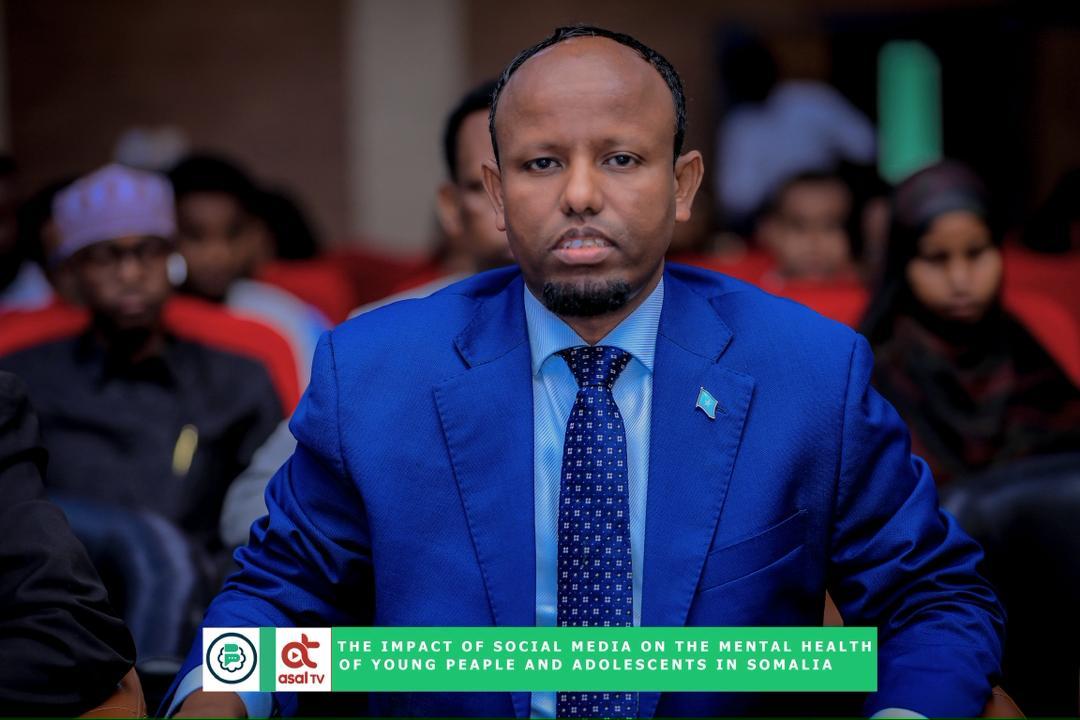
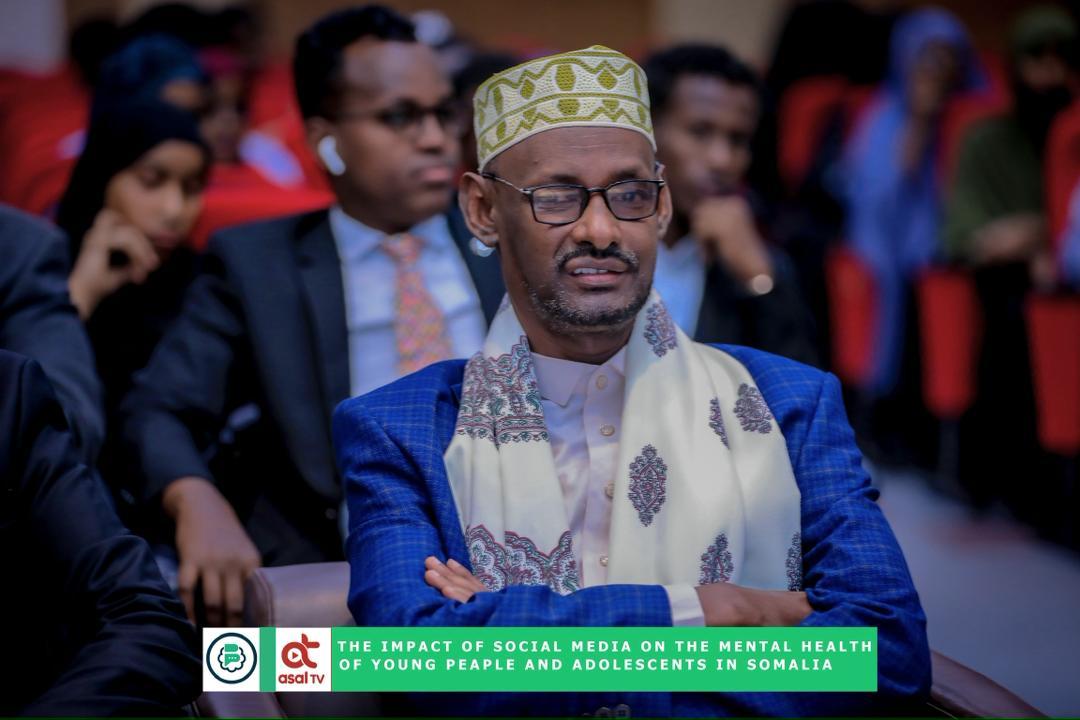
The event was graced by notable speakers and panelists, including:
•Dr. Ali Haji – Minister of Health, Somalia •Dahabo Suusoow Mohamud –
Deputy Minister of Youth and Sports •Abdurrahman Al-Cadaala – Deputy Minister of Information and Technology
•Dr Zainab Ahmed Nuur-Head of Mental Health and Substance use Section
•Ambassador Mohamed Ali Nour "Ameriko"
•Sheikh Abul-hayi Sheikh Adam – Religious scholar on digital morality
•Zakariye Abdullahi – National youth representative
•Dr. Ahmed Jama Shidane – Chairperson, Somali Mental Health Association
•Dr. Rahma Abdulkadir – Child psychologist and founder of Mustaqbal Center
•Dr. Hana Abdurrahman – Clinical psychologist, SOMHA
•Col. Mohamed Abdullahi – Deputy Head, Interpol-Somalia
•Abditah Ali Mohamud – Executive Director, Digital Shelter
•Eng. Mohamed Mo'alim "Barawaani" – Hormuud Telecom representative
•Ismahan Mohamed Hassan – SIMA Youth Engagement Coordinator
•Osman Ahmed Aden – Data protection and privacy advocate
THEMATIC AREAS AND PANEL HIGHLIGHTS
1. Digital Duality: Empowerment and Endangerment
•Social media as a platform for youth voice, civic activism, and access to education.
•Rising cybercrime, trolling, and peer-to-peer harassment.
•Online radicalization risks in vulnerable communities.
2. Mental Health in a Fragile State
•Prevalence of undiagnosed trauma and PTSD in Somali youth.
•Cultural stigma deterring mental health help-seeking.
•Absence of community-based psychosocial services.
3. Gendered Dimensions of Online Harm
•Disproportionate targeting of girls and women in digital spaces.
•Impact on self-esteem, body image, and social participation.
4. Religious and Cultural Interpretations
•The ethical use of social media within an Islamic framework.
•Role of faith leaders in guiding responsible digital behavior.
5. Legal Gaps and Digital Policy
•Urgent need for Somalia to develop child online protection policies.
•Data privacy regulations to safeguard users from exploitation.
•Training judiciary and police on cyber law enforcement.
VOICES FROM THE YOUTH
Participants courageously shared personal stories of:
•Being targets of cyberbullying and public shaming
•Experiencing depression due to social isolation exacerbated by online comparisons
•Feeling pressure to conform to unrealistic beauty and lifestyle portrayals
•Navigating social media addiction and withdrawal symptoms
KEY RECOMMENDATIONS
1.National Digital Literacy Curriculum
Integrate safe online practices into school education.
Train teachers, parents, and community leaders on digital well-being.
2.Somali-Language Mental Health Resources
Develop mobile apps, podcasts, and videos for psychosocial support.
Promote culturally adapted coping mechanisms.
3.Helplines and Peer Support Networks
Establish youth mental health call centers.
Create safe peer-led spaces for dialogue.
4.Policy and Legal Reform
Advocate for national digital safety policies and child protection laws.
Strengthen cybersecurity and enforcement of anti-cyberbullying legislation.
5.Collaboration with Influencers and Tech Companies Encourage responsible content creation.
Partner with telecom firms to spread digital hygiene awareness.
MISSED OPPORTUNITIES & FUTURE DIMENSIONS
•Tech-Sector Engagement: Involve social media companies in content moderation strategies.
•Research and Data: Launch studies on digital behavior patterns in Somali youth.
•Mobile Mental Health Clinics: Leverage telemedicine for remote communities.
•Media Literacy Campaigns: Empower youth to distinguish fact from fiction.
•Community Dialogues: Extend similar events to regions beyond Mogadishu.
Conclusion and Acknowledgment
In conclusion, this initiative highlights the collective responsibility required to strengthen our communities. We would like to express
our sincere appreciation to Hormuud Telecom for their outstanding commitment to Corporate Social Responsibility (CSR). As a leading national company, Hormuud has consistently demonstrated its dedication to the Somali people by supporting social initiatives, standing with communities in times of need, and investing in sustainable development.
Their unwavering support sets a benchmark for the private sector in promoting resilience, inclusivity, and long term progress. We
look forward to continued collaboration in advancing shared goals for the betterment of society.