The Intersection of Mental Health and Human Rights | Baidoa
This report documents the implementation, outcomes, and key findings of a three-day workshop on the Intersection of Mental Health and Human Rights conducted in Baidoa, South West State, Somalia.
Brain Story
Author
This report documents the implementation, outcomes, and key findings of a three-day workshop on the Intersection of Mental Health and Human Rights conducted in Baidoa, South West State, Somalia. The workshop marked Brain Story’s first engagement in South West State, representing a significant step toward expanding rights-based mental health programming beyond central and federal capitals into historically underserved regions.
The primary objective of the workshop was to strengthen understanding and application of a human rights–based approach to mental health, with a particular focus on marginalized and vulnerable populations, including internally displaced persons (IDPs), persons with disabilities, women and girls, elders, and minority groups. The activity aligned directly with UNTMIS HRPG priorities, Somalia’s commitments under international and regional human rights instruments, and national policy frameworks such as the National Transformation Plan (NTP 2025–2029) and the forthcoming Universal Health Coverage (UHC) Roadmap (2026–2030).
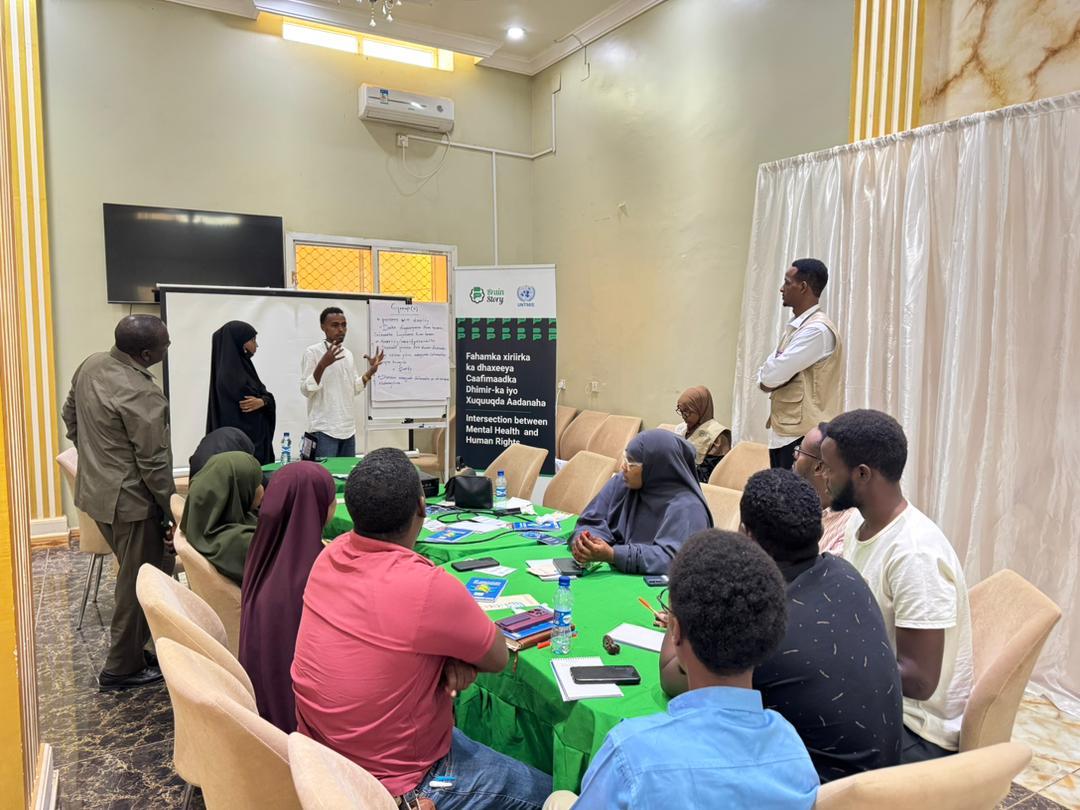
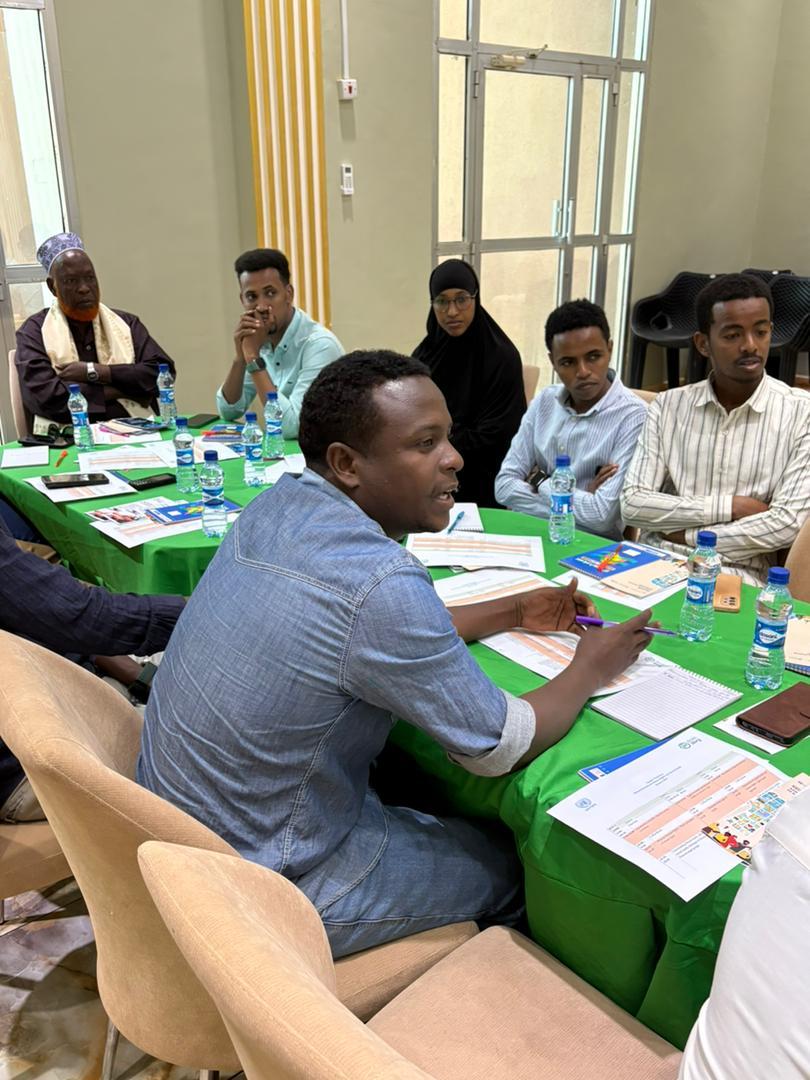
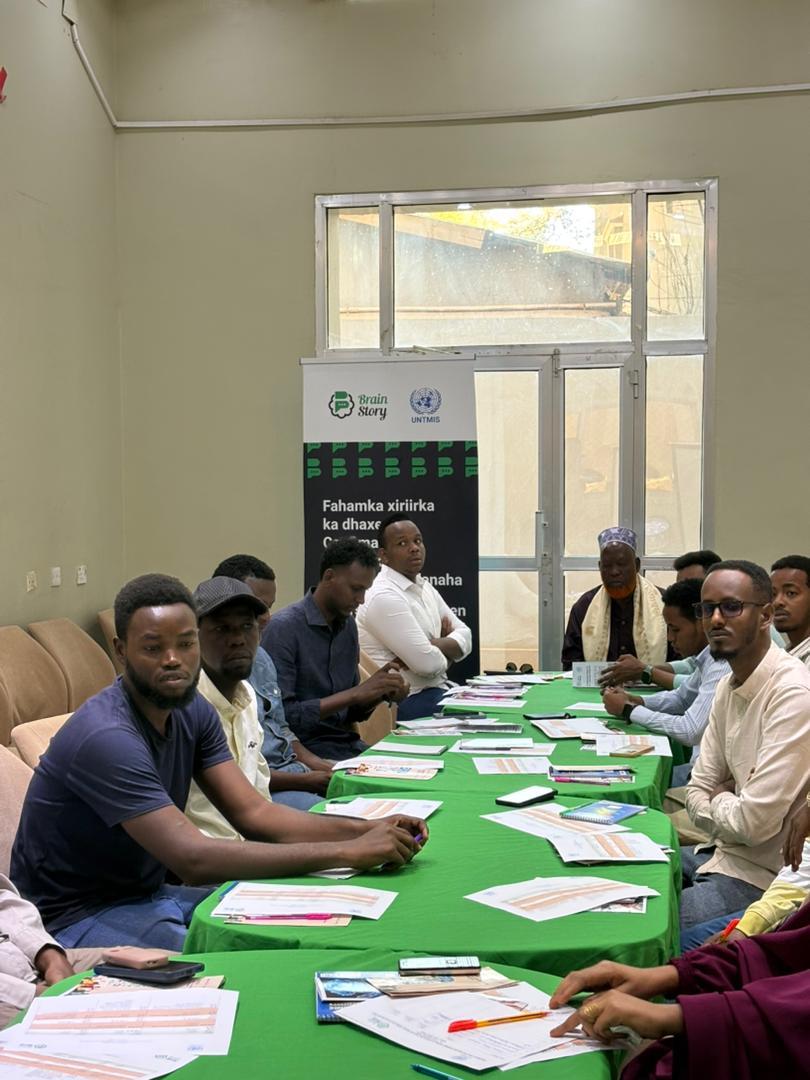
The workshop brought together 25 participants from diverse community sectors and professional backgrounds. Through interactive discussions, group work, and rights-based analysis, participants explored the conceptual and practical links between mental health, dignity, non-discrimination, and access to quality health care. The sessions revealed both a strong willingness to learn and a surprising level of baseline knowledge among participants, alongside deeply entrenched structural gaps, stigma, and human rights violations related to mental health across South West State.
By the conclusion of the workshop, participants demonstrated increased awareness of mental health as a fundamental human right, articulated clear community-level challenges, and collectively called for continued engagement by Brain Story Organization, including follow-up trainings, rural outreach, and long-term institutional presence in South West State. South West State has endured decades of armed conflict, displacement, climate-related shocks, and chronic underinvestment in social services. While communities have developed notable resilience, the cumulative psychological toll of these experiences remains largely unaddressed. Mental health services are extremely limited, under-resourced, and poorly regulated, with significant implications for human dignity and social cohesion.
During the workshop, participants consistently emphasized that mental health challenges extend far beyond Baidoa city, affecting rural and remote districts where services are virtually non-existent. Testimonies highlighted widespread stigma, harmful misconceptions, and discriminatory practices, particularly toward persons with psychosocial and intellectual disabilities. These realities underscore the urgent need for community-based, culturally sensitive, and rights-informed mental health interventions.
Details of the participants
This report documents the implementation, outcomes, and key findings of a three-day workshop on the Intersection of Mental Health and Human Rights conducted in Baidoa, South West State, Somalia.
Brain Story applied a strong “Leave No One Behind” approach throughout the activity. To ensure meaningful participation;
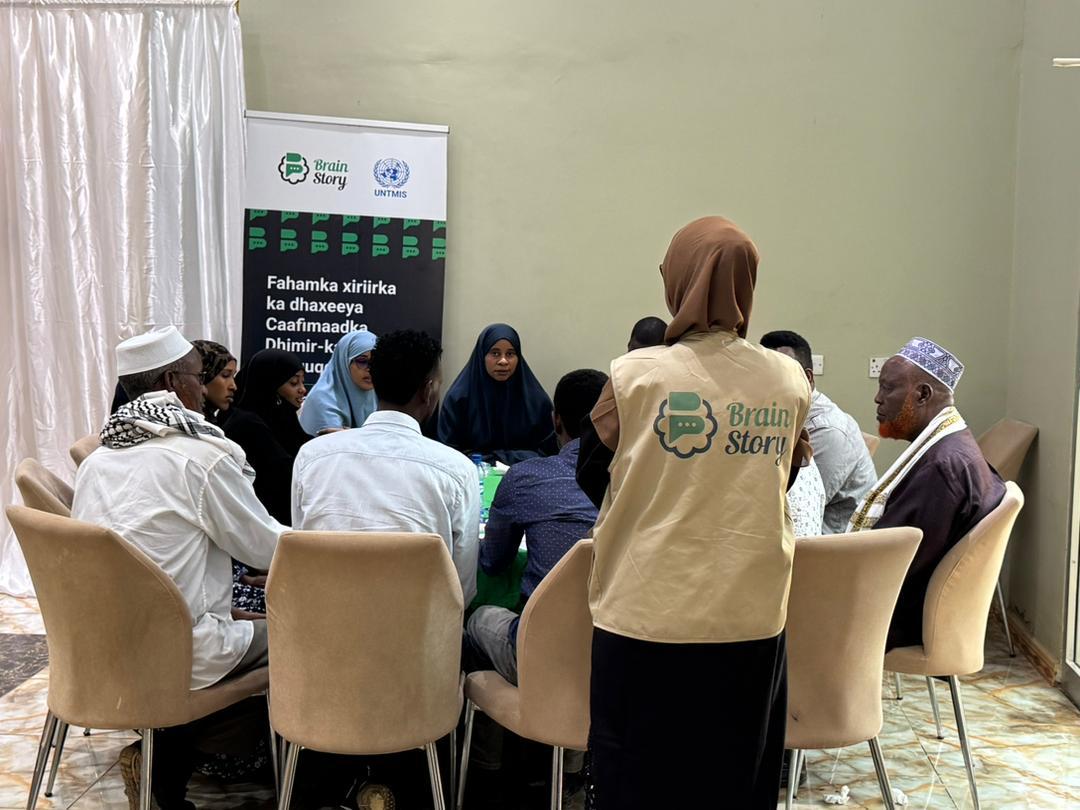
All training materials were translated into Maay and Maxaa Tiri Somali dialects.
A Somali Sign Language interpreter was present throughout the workshop, enabling full participation of Deaf community members.
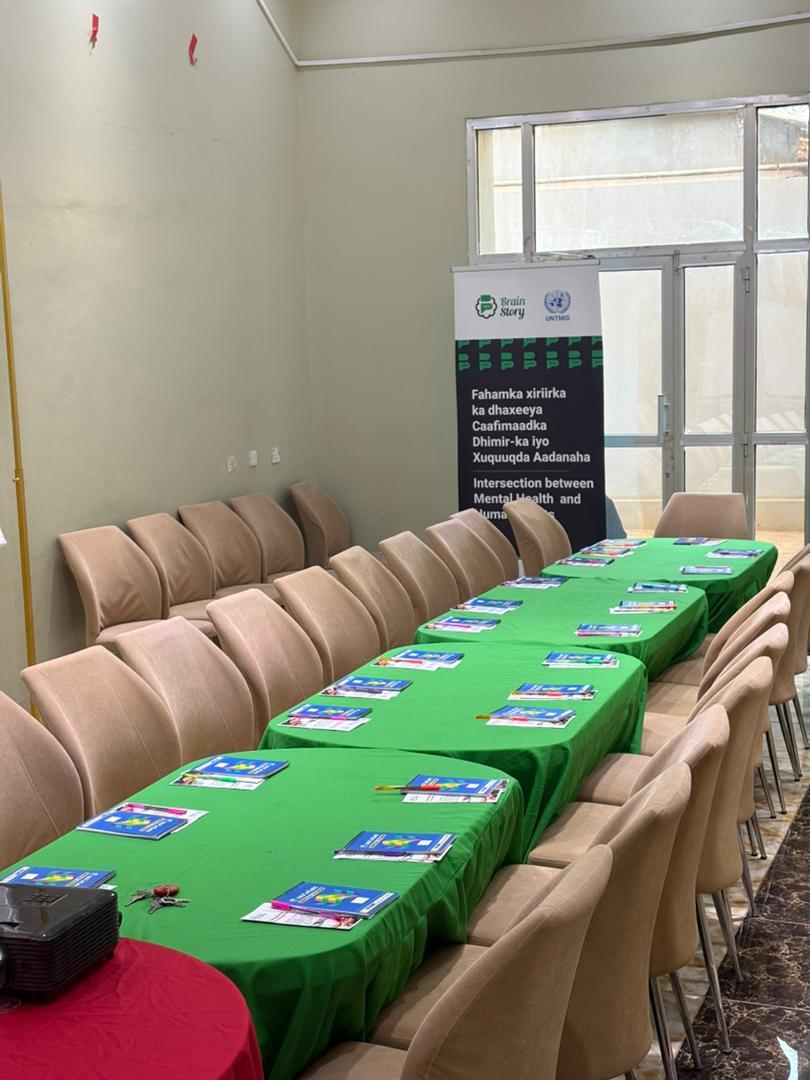
Three different training handouts were produced and distributed, with 25 copies of each printed to allow participants to share materials with their organizations and communities.
The full presentation materials, Photos, and videos were shared digitally via WhatsApp on the final day.
The inclusive environment enabled persons with disabilities, elders, IDPs, and women to engage openly. One of the most impactful moments of the workshop was a presentation delivered entirely in sign language by a Deaf participant, supported by interpretation. The presentation was received with enthusiasm and respect, demonstrating the community’s capacity to envision a future without discrimination or bias.
Agenda for the workshop, Pamphlets, and handouts to each participant. Making it 25 each on all publications.
Knowledge management
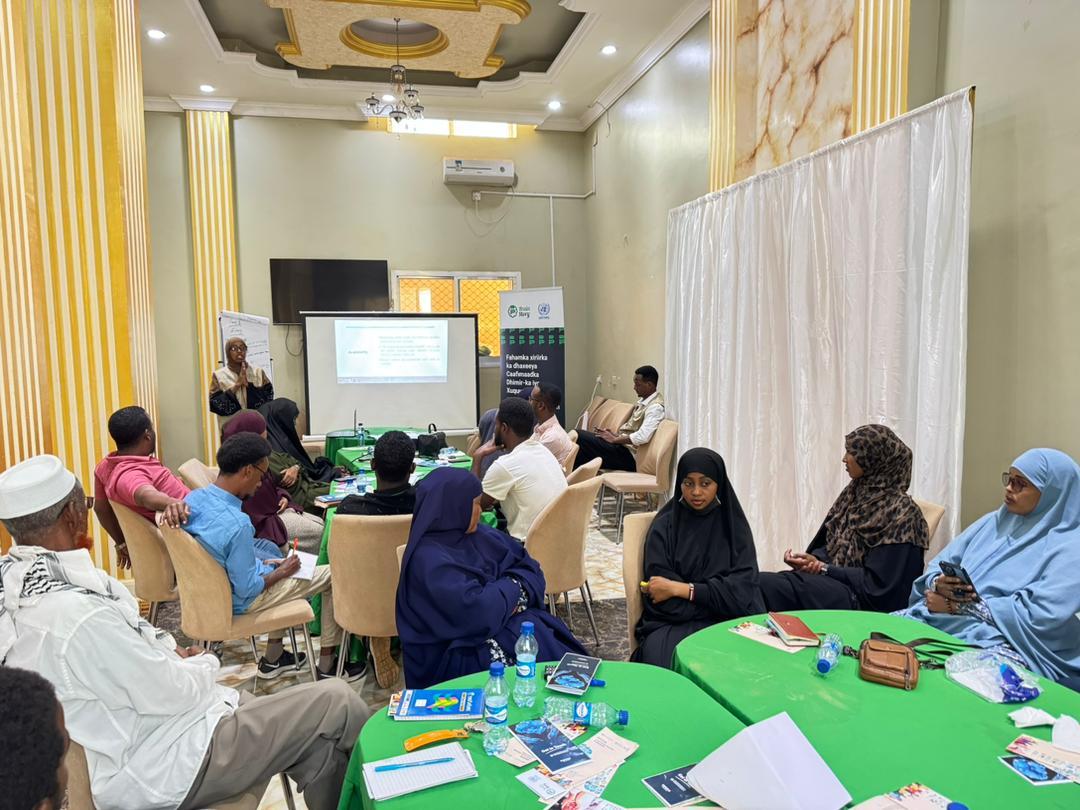
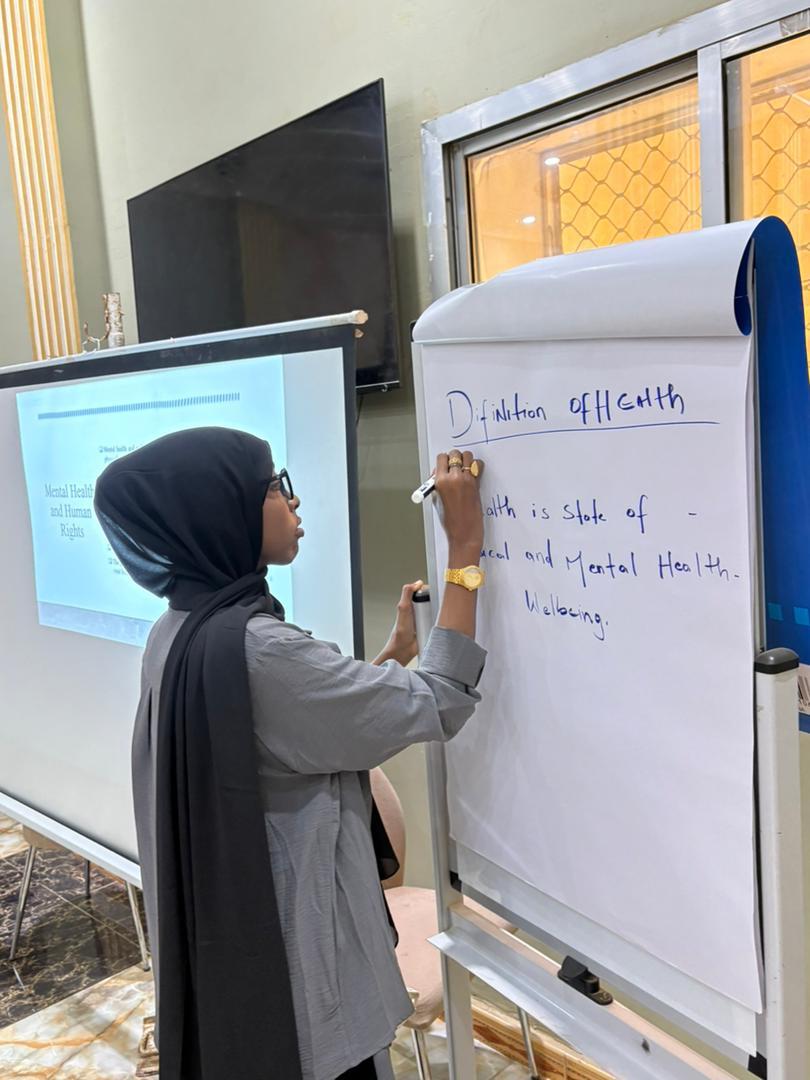
The workshop followed a participatory and interactive methodology, combining presentations, facilitated discussions, and group exercises. Sessions covered;
- Core principles of human rights
- Understanding mental health in the Somali context
- The intersection between mental health and human rights
- International, regional, and national legal frameworks
- State obligations and the AAAQ framework (Availability, Accessibility, Acceptability, Quality)
Participants were encouraged to identify gaps, share testimonies, and propose community-driven recommendations. This approach fostered ownership and ensured that discussions remained grounded in local realities
Participants identified pervasive stigma and discrimination against individuals living with mental health conditions. In rural areas, testimonies revealed severe violations of dignity, including the abandonment of children with autism or Down syndrome. One participant described how such children are treated “as if they are food that has gone bad,” reflecting the depth of exclusion faced by families lacking awareness and support.
Discussions with health workers and community members revealed systemic failures in mental health service provision, including;
- Absence of licensed or specialized mental health professionals
- Misdiagnosis and misinformation, including the incorrect classification of ADHD as a chronic mental illness by an unqualified practitioner.
- Lack of dedicated mental health or psychosocial support units in general hospitals
- An existing mental health institution that lacks capacity, qualified staff, and essential resources.
These gaps pose serious risks to patient safety and constitute violations of the right to the highest attainable standard of mental health.
Leaflets for awareness, related to right to mental health, pamphlets in different dialects related to human rights and another pamphlet with 2 dialects (maay, maxa tiri), on Intersection between Mental Health and Human Rights.
The workshop created space for powerful testimonies that illustrated the human impact of mental health neglect:
A rural community leader shared how families are forced to hide or abandon children with intellectual disabilities due to stigma and lack of services, resulting in long-term trauma for both children and caregivers.
A Deaf participant, presenting in sign language, demonstrated resilience and leadership, challenging assumptions about disability and highlighting the importance of accessibility and dignity. Health workers openly acknowledged their own limitations, expressing concern about being expected to manage complex mental health conditions without training, supervision, or institutional support.
These stories underscored that mental health challenges in South West State are not only medical issues, but deeply rooted human rights concerns. In South West State, the impact of conflict, displacement, poverty, and entrenched gender inequality has left many women and young girls carrying invisible wounds. While physical harm is sometimes acknowledged, the psychological consequences of discrimination, sexual violence, and chronic insecurity remain largely unspoken and almost entirely unsupported. During the Baidoa workshop, participants shared testimonies of women and girls who have experienced rape, forced marriage, domestic violence, and exploitation, often in contexts of displacement or economic dependency. These violations are rarely reported due to fear of stigma, retaliation, or rejection by family and community members. In many cases, survivors are blamed rather than protected.
One community representative described how a young girl, assaulted while collecting firewood outside an IDP settlement, was later withdrawn from school, not to protect her, but to avoid shame. No medical care, psychosocial support, or legal assistance was provided. Instead, the burden of silence was placed on the child.
For many women, especially those living in IDP settings or rural areas, violence is not a single event but a repeated condition. Survivors often develop symptoms of depression, anxiety, post-traumatic stress, and profound social withdrawal. Yet mental health services are either unavailable or inaccessible, and seeking help is frequently discouraged.
Participants emphasized that untreated trauma has long-term and intergenerational consequences. Women struggling with unresolved psychological distress face difficulties in caregiving, economic participation, and social engagement. Young girls exposed to violence and discrimination grow up internalizing fear, shame, and hopelessness conditions that shape their future mental health, educational outcomes, and sense of self-worth. The absence of safe, confidential, and rights-based mental health and psychosocial support services leaves survivors with few options. Many turn to isolation or silence. Others are pushed toward informal or harmful coping mechanisms that do not address trauma and may worsen emotional suffering.
Despite these challenges, the workshop also revealed resilience and a desire for change. Women participants spoke openly about the need for safe spaces, community education, and survivor-centered mental health support. They emphasized that healing is possible, but only if mental health is recognized not as a private burden, but as a human right. The story reflects a broader reality across South West State, when women and girls are denied dignity, protection, and care, the damage extends far beyond the individual. it shapes the mental health and stability of entire communities. Addressing mental health through a human right based approach is not optional; it is essential for breaking cycles of trauma and building a resilient future.
Key lessons from the activity include:
- Early and meaningful inclusion of marginalized groups strengthens relevance and impact
- Accessibility measures, including language and sign interpretation, are essential—not optional
- Communities are eager to engage on mental health when approached with respect and rights-based framing
There is strong demand for locally grounded organizations that combine advocacy, service development, and policy engagement
Challenges and recommendations:
Challenges • Deep-rooted stigma and discriminatory social norms • Absence of licensed mental health professionals and regulatory oversight • Limited infrastructure and capacity of existing institutions • Geographic disparities, particularly affecting rural communities Recommendations
- Establish culturally sensitive community awareness programs on mental health and human rights
- Invest in training and certification of mental health professionals
- Integrate mental health and psychosocial support into primary healthcare services
- Expand outreach to rural districts within South West State
Strengthen policy engagement to ensure mental health is fully integrated into UHC and national health reforms